BRINGING DRAWING IN TO PORTRAIT PAINTING | WENDY BARRATT
Dates: Saturday 19th - Sunday 20th June
Times: 10am - 4.30pm
Location: Enniskerry
Skill Level: all levels welcome
Please see detailed workshop information below
If this course is fully booked or not currently scheduled, go ahead add your name to the waiting list HERE
Payment plans available contact us directly
aBOUT THE WORKSHOP
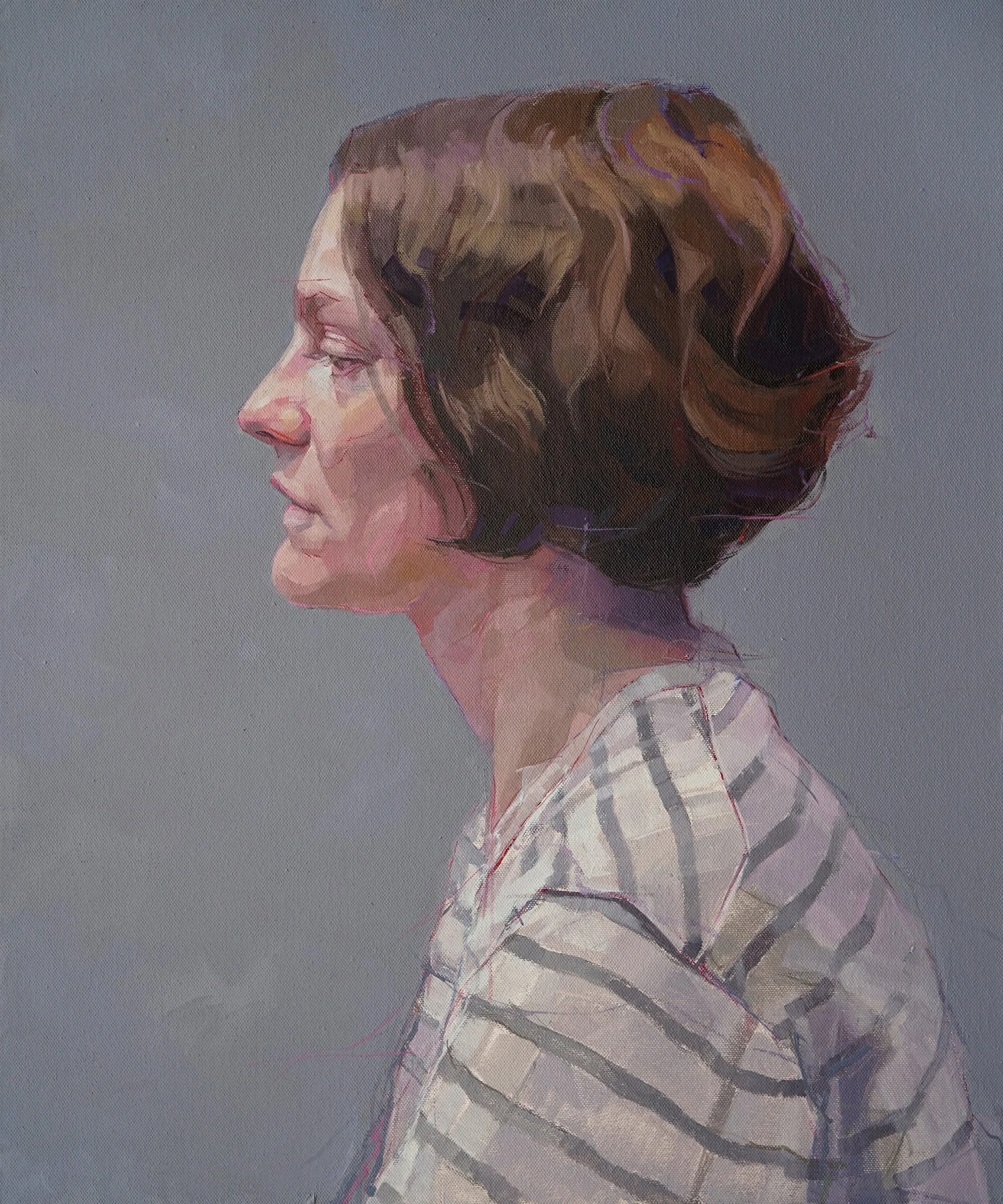
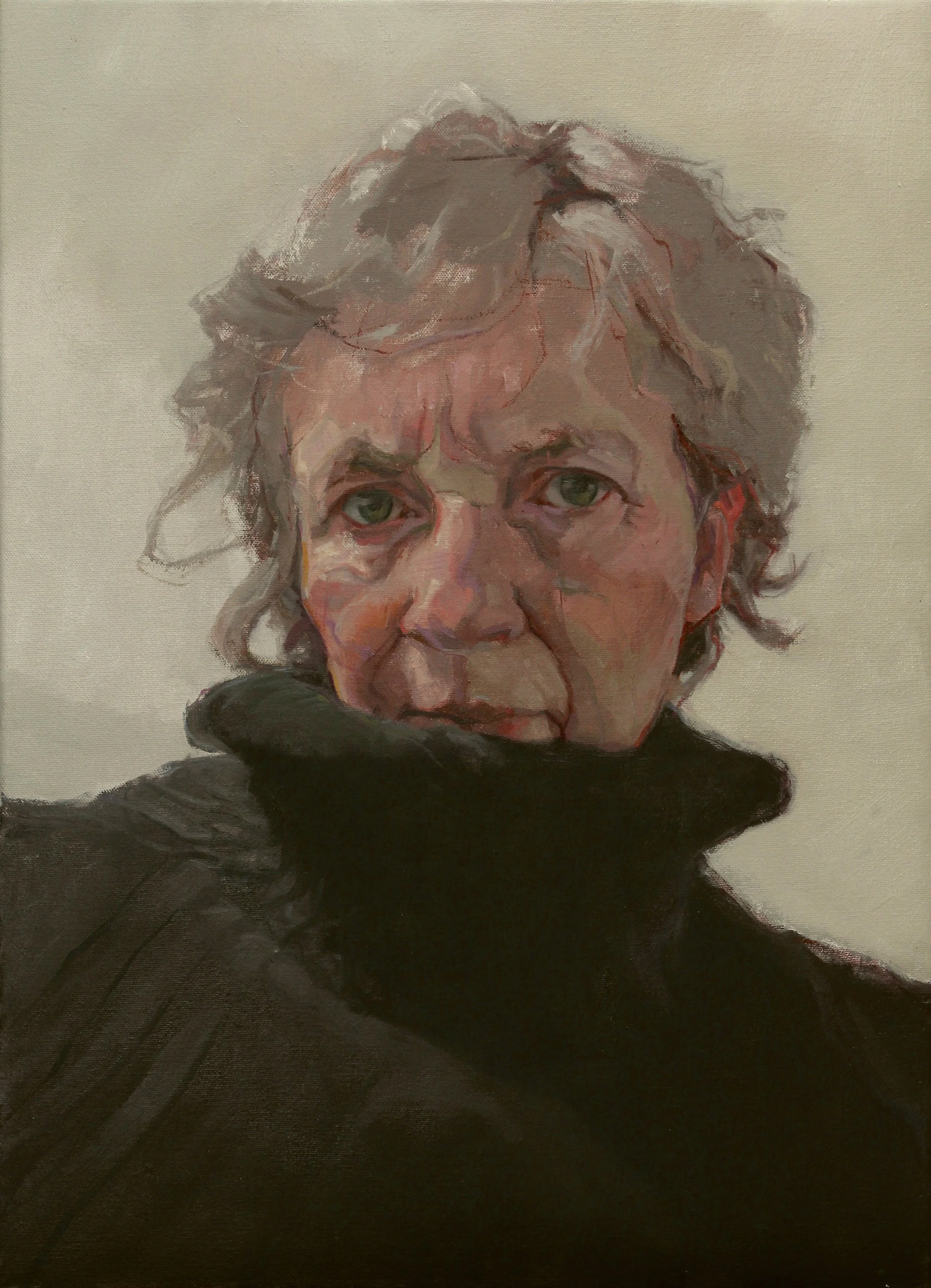
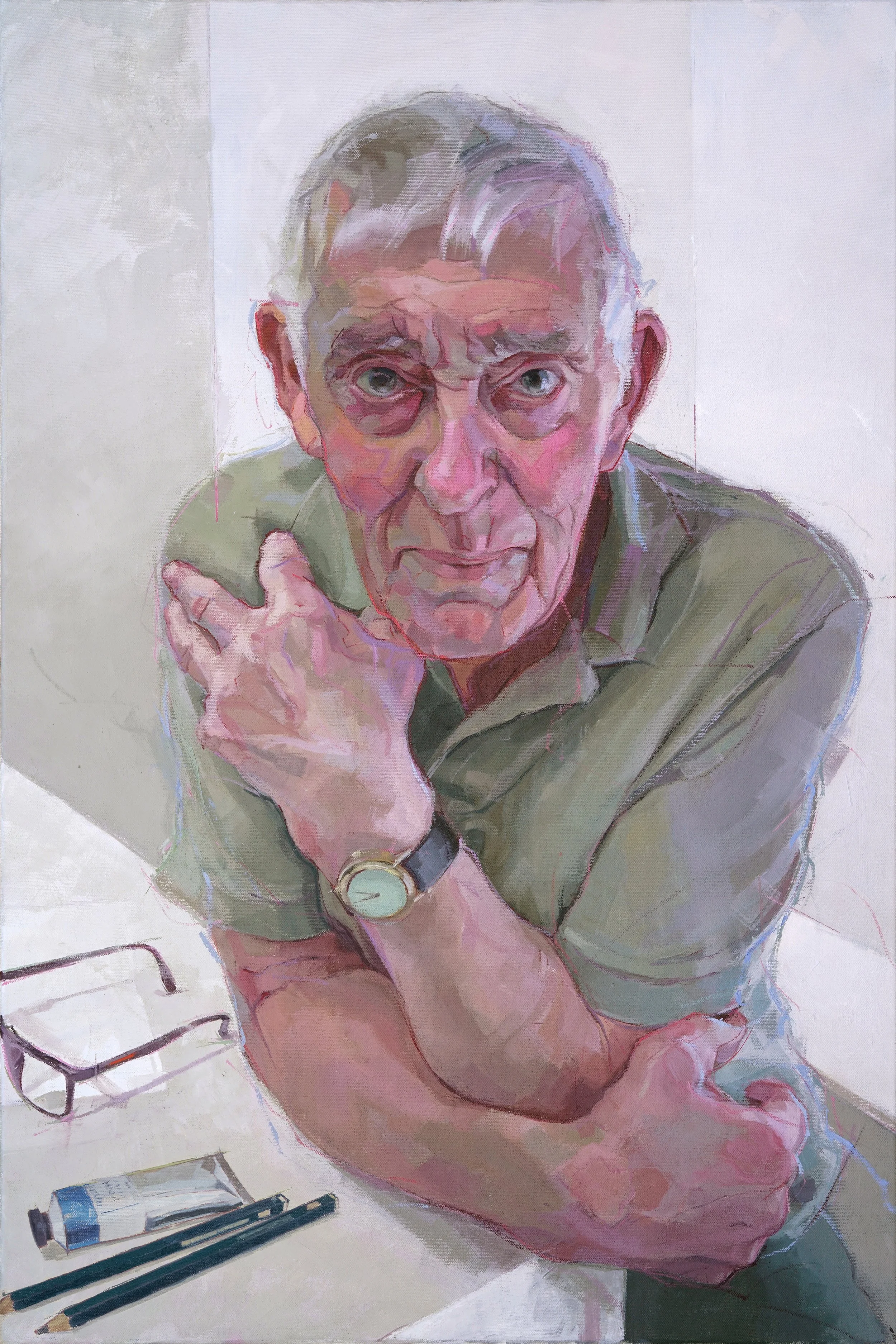
In this two day portrait painting workshop, artists will guided through an approach to painting a portrait considering the role of drawing with paint. The course will encourage experimentation of mark making alongside the rigours of keen observation in terms of likeness, tone, use of colour and composition and how you can bring that into your painting practice. We will look at how visible, historic layers of mark making with painting and drawing, can be a way of demonstrating the length of time and study put into our portrait painting.
There will be guided exercises to encourage experimentation with the materiality of paint and painting tools. There will be group demonstrations in key painting skills and insights into Wendy’s methods and practice as well as one-to-one tutoring to help you to find your own personal strengths and guide you over any hurdles.
This workshop is suitable for a wide range of skill levels from anyone with some previous experience in oils right up to the more advanced artist. Instruction will be customised to individual levels of experience.
Day 1:
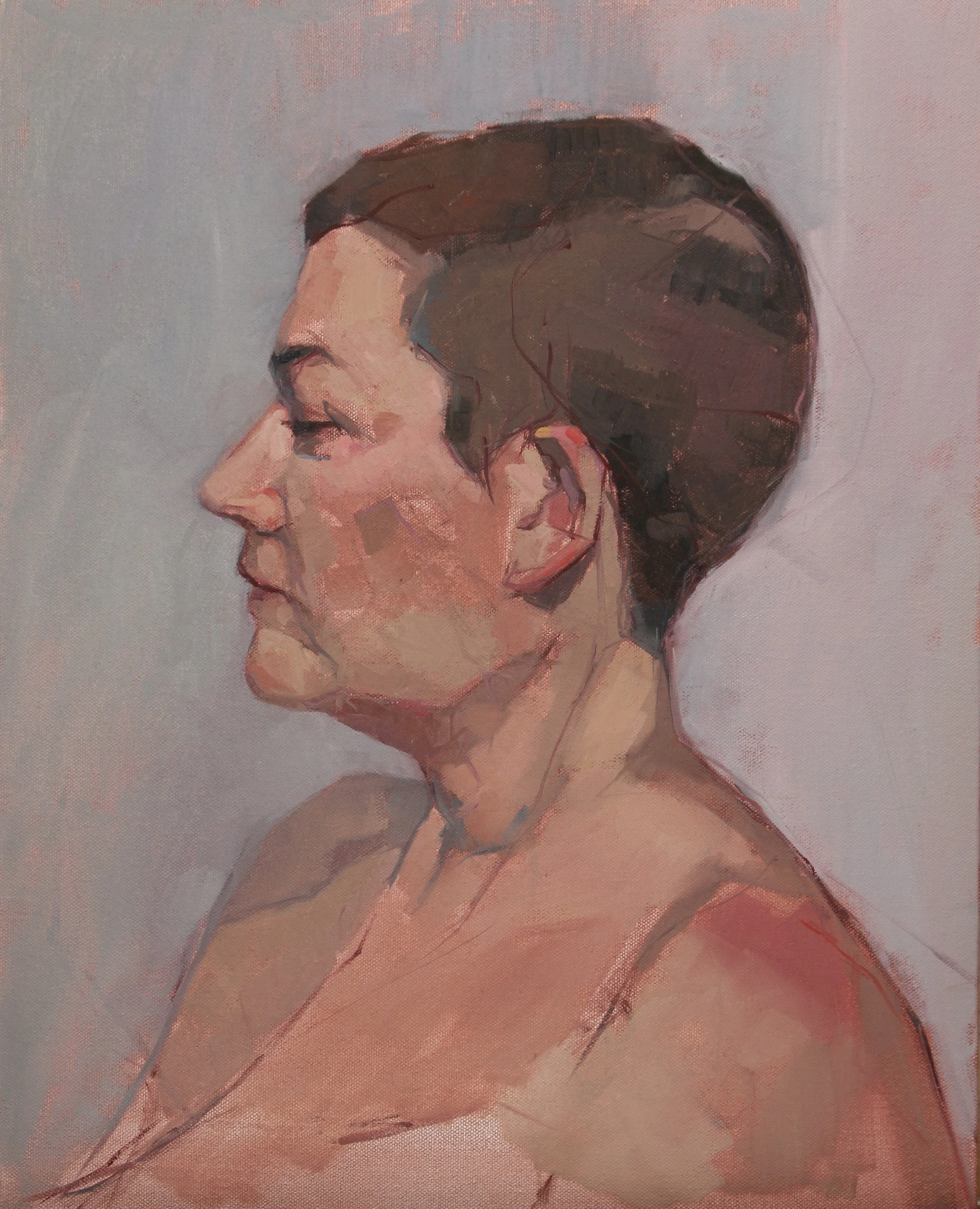
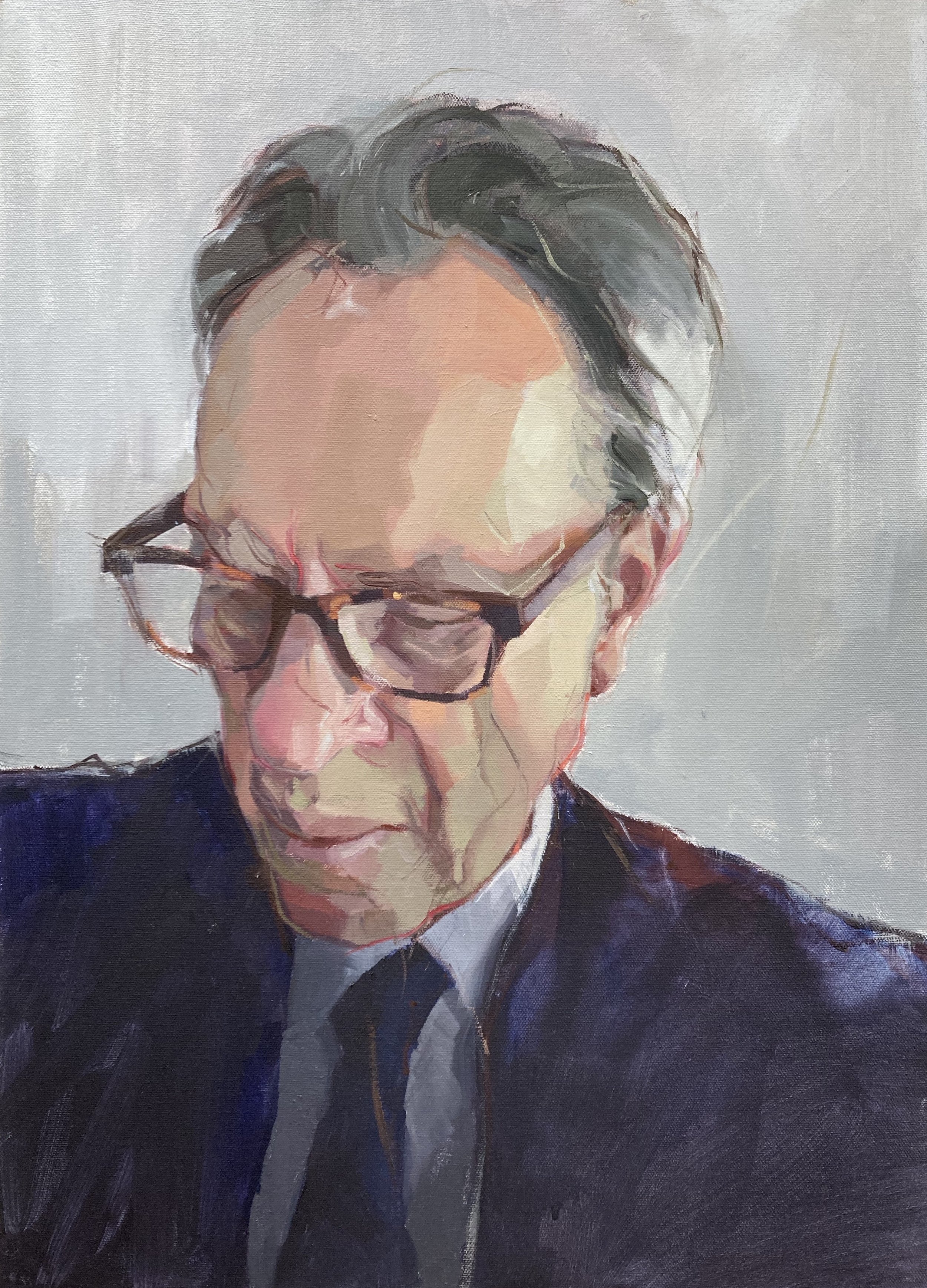
Morning: We will begin with a half day session on drawing with paint. Keeping our colours to a limited palette of one or two colours so that we can concentrate of the materiality of the paint and the various marks we can make with it in response to the model.
Afternoon: We will start our main portrait - continuing to draw in paint but with a more rigorous approach - looking at proportion, tone and composition. By the end of day one, we will aim to have made some form of underpainting - a scaffolding on which we can build our finished portrait.
Day 2:
We will start to consider colour mixing with a demonstration on how to simplify the process in order to start to build relationships between areas of tone, temperature and colour.
Artists are more than welcome to work with a very limited or a full palette depending on their level of experience and/or desire.
Once the main colours and values have been worked to a certain level, there will a short demonstration on how the drawing can be re-established before developing the portrait further.
We will discuss the need for detail - how much we need to put in, and perhaps more importantly, how much to leave out. Wendy will also talk about how she often brings drawing back into her portrait in the final stages. Looking for marks and colours which enhance and lead the eye.
-
Experimentation in the materiality of oil paint in terms of using it as a drawing medium - how consistency of oil paint, the surface on which we draw and the tools we use effect the way we create a portrait.
Strengthen your drawing foundation - As well as exercises in expressive experimentation with the paint, we will also be looking at developing accuracy in drawing from life and ways we can keep addressing it throughout the process of making a portrait.
Simplify colour mixing - How to simplify down your colour mixing choices when starting a portrait as well as considering the importance of tonal values and how to keep the colour of your portrait harmonised.
How important is detail? - thoughts on how detail can make or break the mood or atmosphere of a portrait. Making choices on what to paint and what NOT to paint.
Everyone will have personalised feedback - advice will be adapted in order to help you develop or discover your own personal strengths.
-
Support
4 or 5 sheets of oil painting paper for relatively quick exercises
1 canvas/canvas board/panel: minimum size: 30cm x 40cm
Tools:
Palette: wooden or disposable - suggest at least A3 in size
Solvent in an airtight container (only low odour solvents are permitted eg. Gamsol, Sansodor, Zest It etc). (Recommend a small portable aluminium brush washer)
Refined linseed oil or other painting medium (optional)
Palette knife(s)
Paper towels and or cloth rags
An apron or old shirt to protect your clothing
Thin protective gloves if your skin is sensitive to oil paint and solvents
Oil paints
Titanium white
Lemon Yellow
Yellow Ochre
Cadmium red
Alizarin Crimson
Ultramarine Blue
Cerulean blue
RawUmber/Burnt Umber
(feel free to by the ‘hue’ version of the more expensive colours)
Brushes
A range of various sizes and shapes of natural hair and/or synthetic brushes. Try to have at least one large brush and one small, round brush in your collection. Feel free to bring old worn out brushes too as part of your collection.
I often use a no2 rigger brush if you’d like to bring one along.