EXPRESSIVE FIGURE DRAWING | ALAN MCGOWAN
Dates: Friday 19th - Sunday 21st February
Times: 10am - 5pm
Location: Enniskerry
Skill Level: all levels welcome
Please see detailed workshop information below
If this course is fully booked or not currently scheduled, go ahead add your name to the waiting list HERE
Payment plans available contact us directly
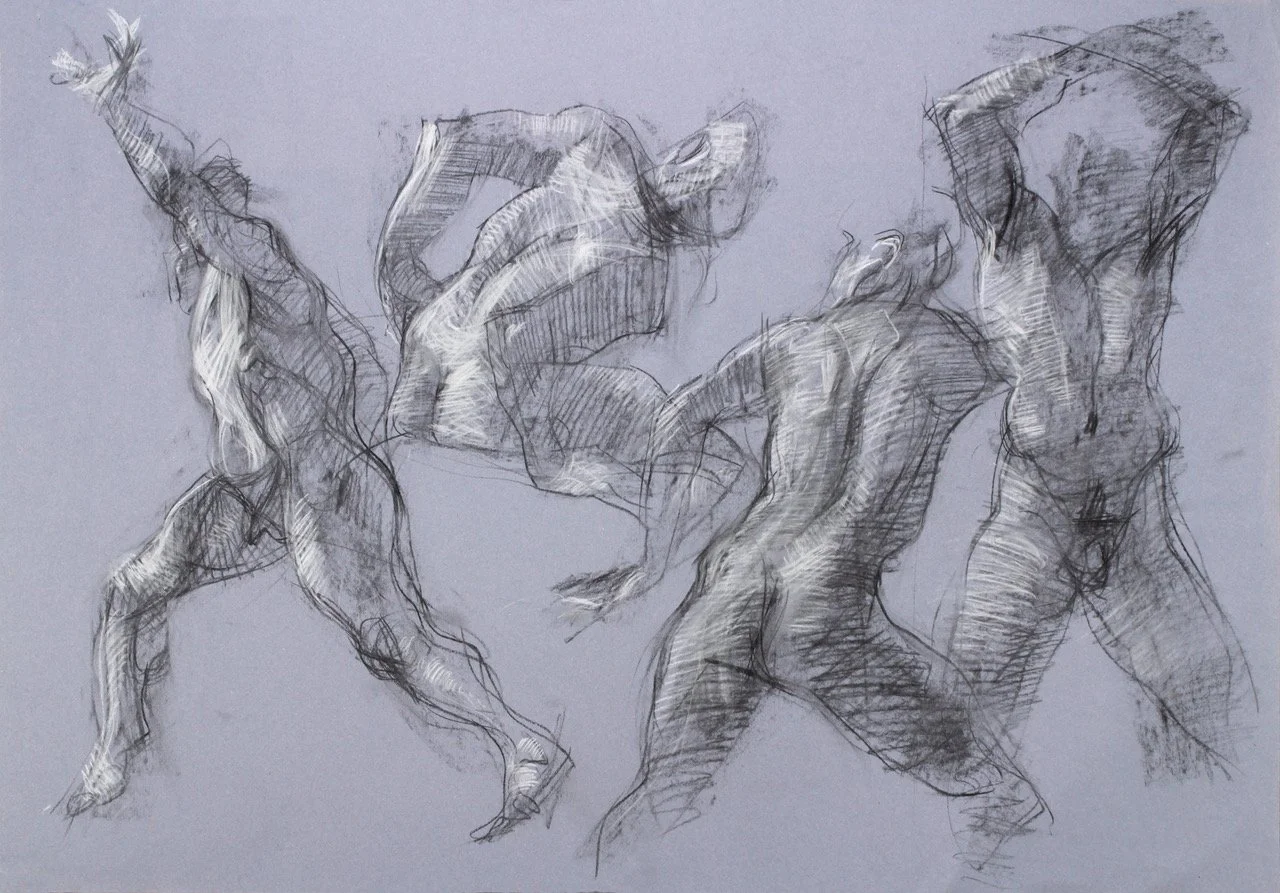
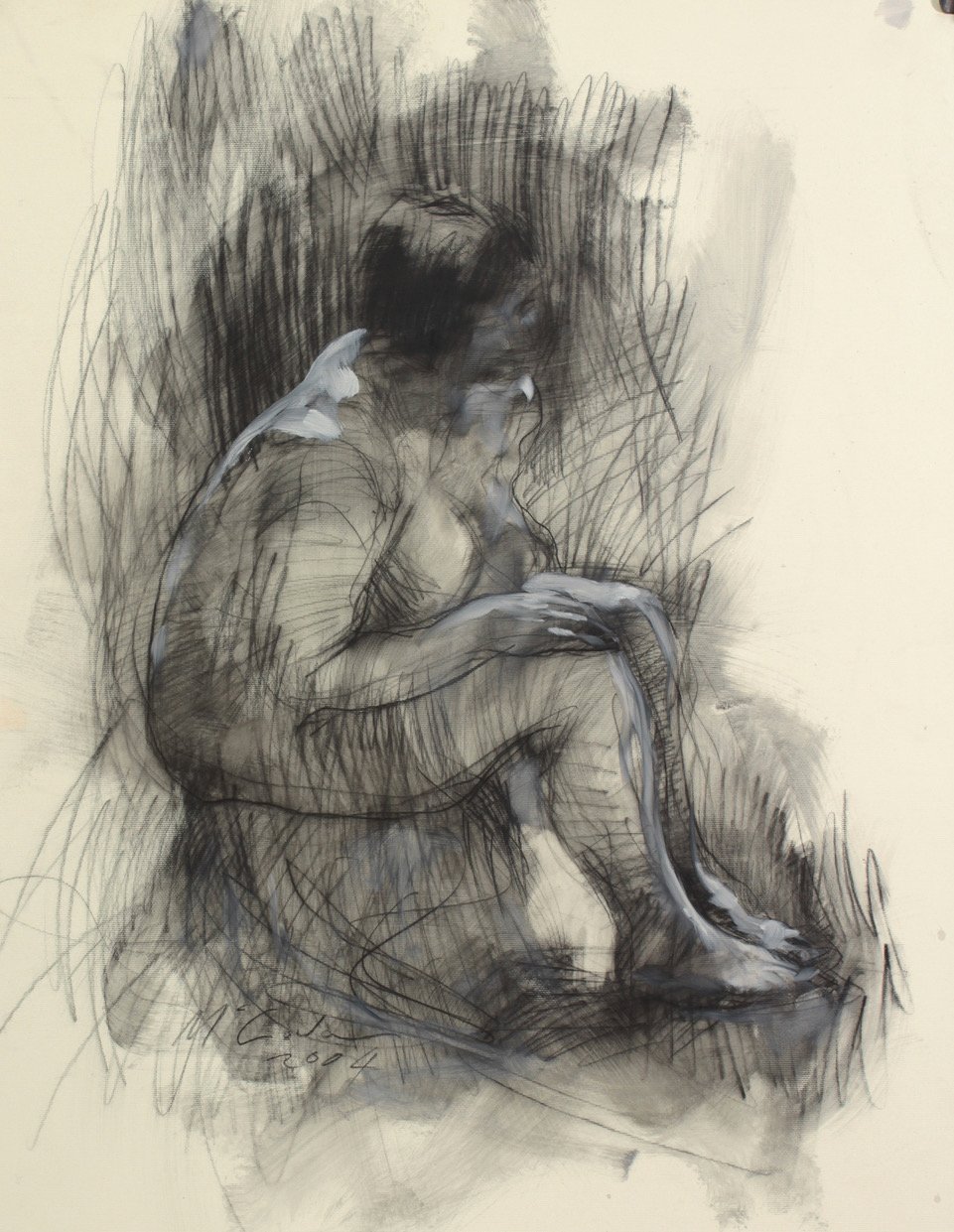
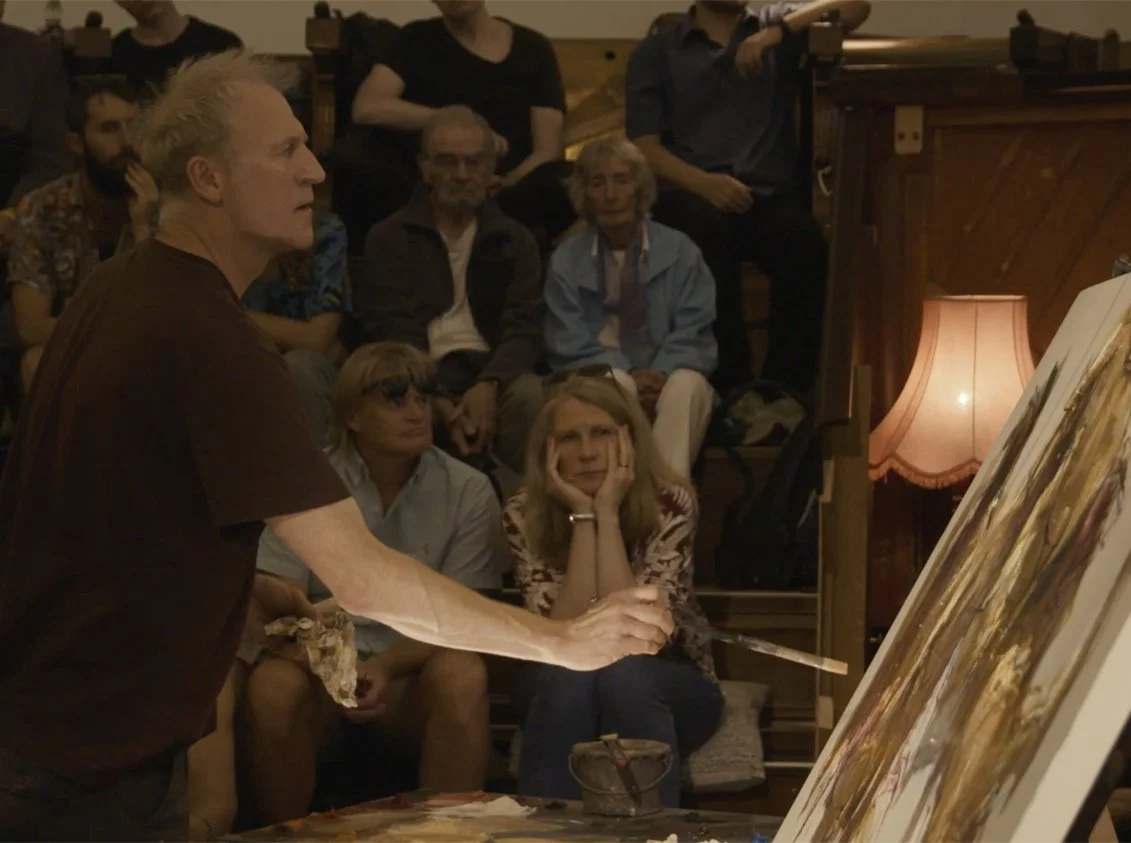
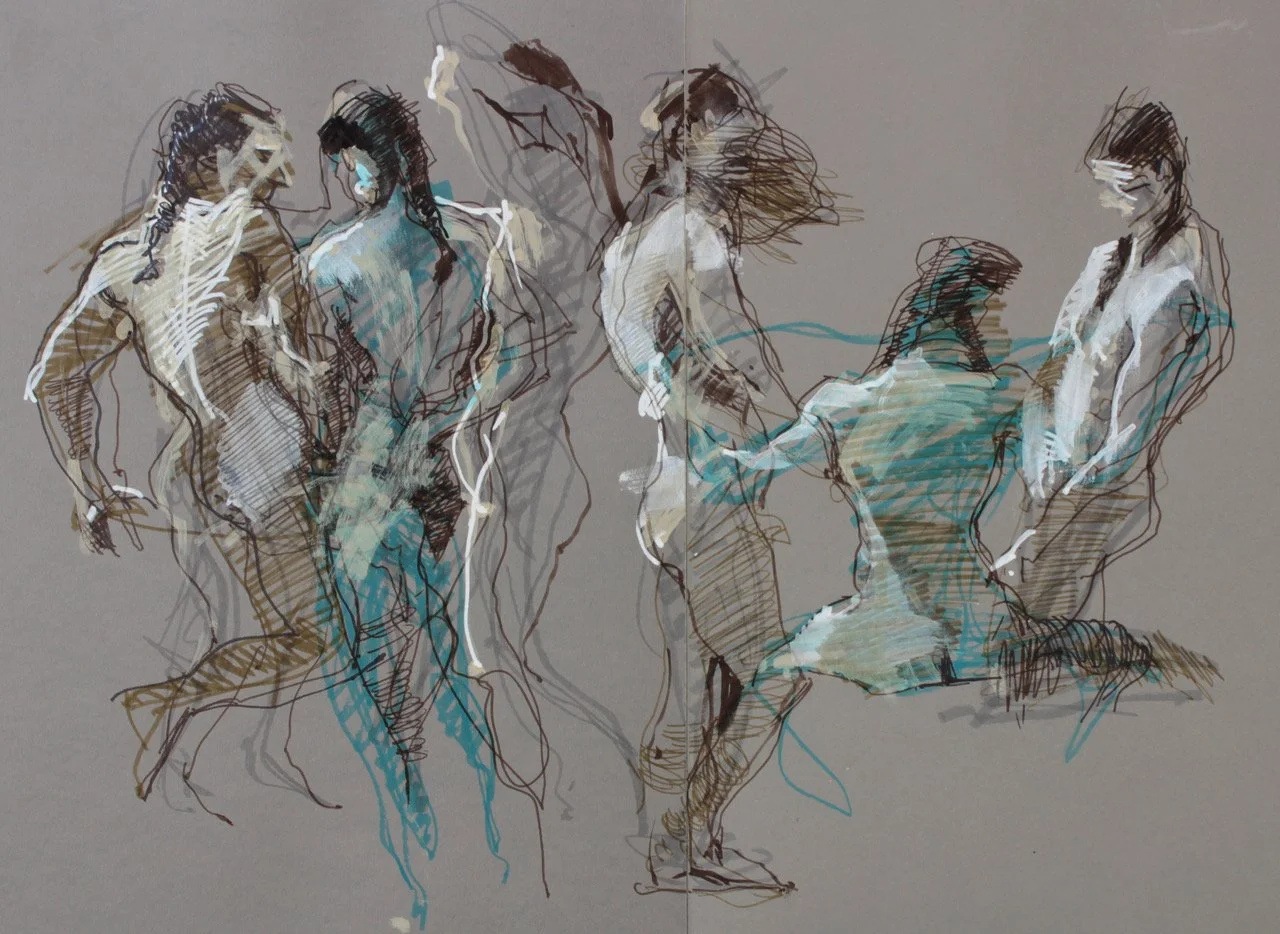
What we are doing in figure drawing, and what we want from it, is rarely straightforward. Throughout history, there have been artists such as Michelangelo, Delacroix, Rodin, Egon Schiele, and Jenny Saville, for whom qualities such as feeling, atmosphere and energy are as vital as accuracy or measured precision. Very often, what we seek in drawing is some shifting combination of all these things.
For me, expressive drawing involves three interdependent elements: the subject, our personal reading of the subject, and the materials and techniques we choose to employ. Each influences the others. And by understanding the possibilities within techniques such as line, tone and measuring, we can actually liberate our capacity for representation and our expressive potential.
This implies choice — choice of approach, of emphasis, of technique. There is no single “correct” way to draw; rather, there is a spectrum of possibilities, and the choices we make inevitably reflect who we are.
During this short course, we will examine what we are trying to do in drawing and connect those aims to practical methods. Alongside studio work, we will look at artists who have grappled with these questions—Delacroix, Michelangelo, Raphael, Ingres, Giacometti, Eugene Carrière, Anne Gale, Rodin among others—each offering different ways of thinking and working.
Course Structure
Over three days, working from life models, we will explore:
Different ways to begin a drawing
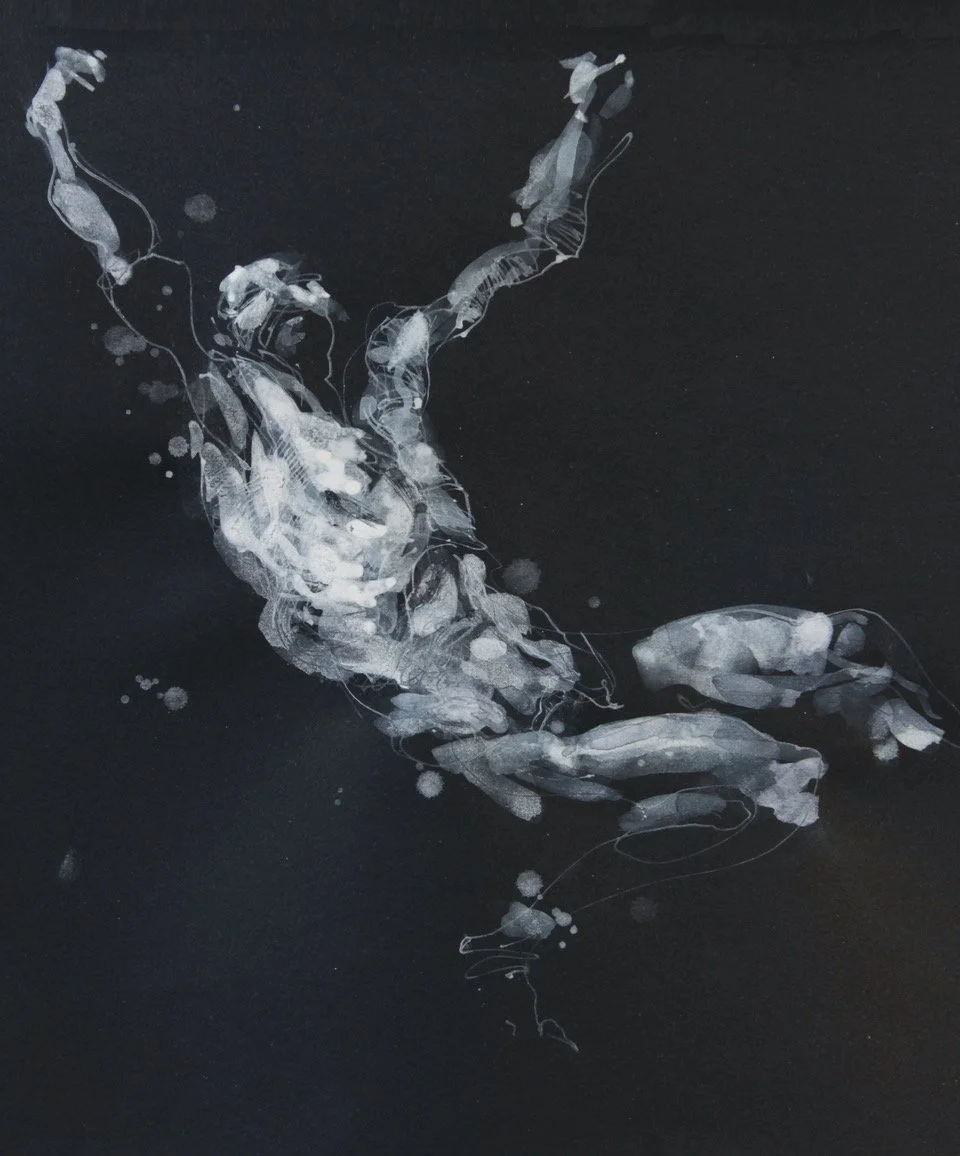
Drawing with light
Tonal value
Accuracy and inaccuracy
-
The Interdependent Trinity: Understand the dynamic relationship between your subject, your personal interpretation of it, and the materials you use.
Expressive vs. Academic Drawing: Explore historical examples (from Ingres to Picasso) to see how feeling and atmosphere can coexist with—or even supersede—measured precision.
Practical Studio Techniques: Practice diverse methods for starting a drawing, building form through light, and manipulating tonal values.
The Art of "Inaccuracy": Discover how intentional distortions and choices in your line work can enhance the energy and emotional impact of a figure.
Strategic Decision Making: Learn to view your sketchbook as a space for choice—selecting which techniques to employ based on what you want to communicate.
Historical Context: Study the approaches of master draftsmen (Delacroix, Giacometti, Coldstream) to understand different philosophies of seeing and recording the human form.
-
Materials
Willow charcoal (assorted)
Putty rubber
Fixative
White Conté pastel
White acrylic paint and brushes
Surfaces
4 sheets of newsprint
10 sheets of white cartridge paper (A2)
2 sheets neutral-toned paper (grey/buff, A2)
3 sheets of black paper (A2)