Painting Loose on a Strong Foundation: Still Life | Bairbre Duggan
Dates: Tuesday 4th - Friday 7th August 2026
Times: 10am - 4pm
Location: Enniskerry
Skill Level: Basic understanding of working with oil paint required
Please see detailed workshop information below
If this course is fully booked or not currently scheduled, go ahead add your name to the waiting list HERE
Payment plans available contact us directly
aBOUT THE WORKSHOP
It’s not what you paint, but how you paint it that matters!
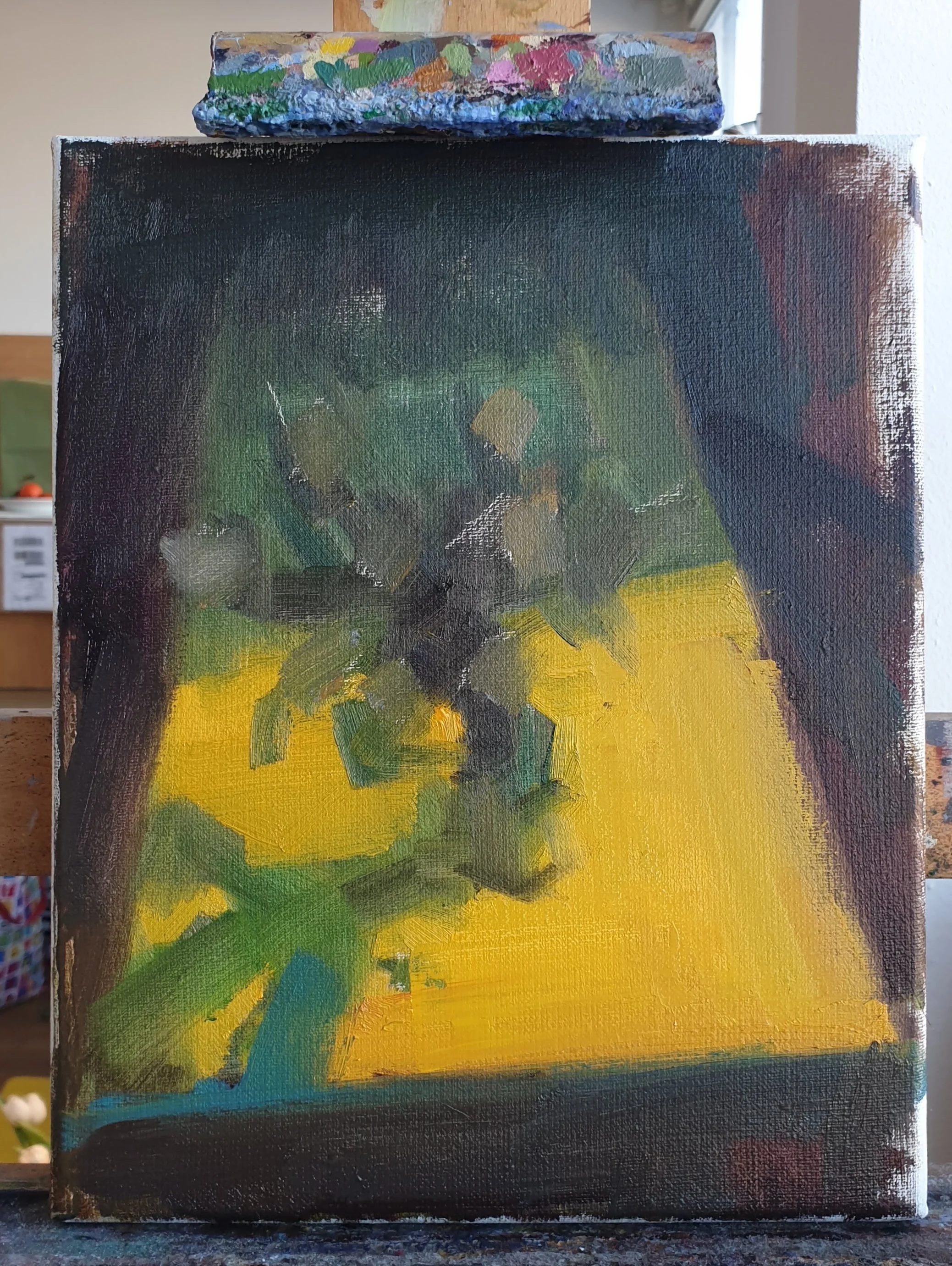
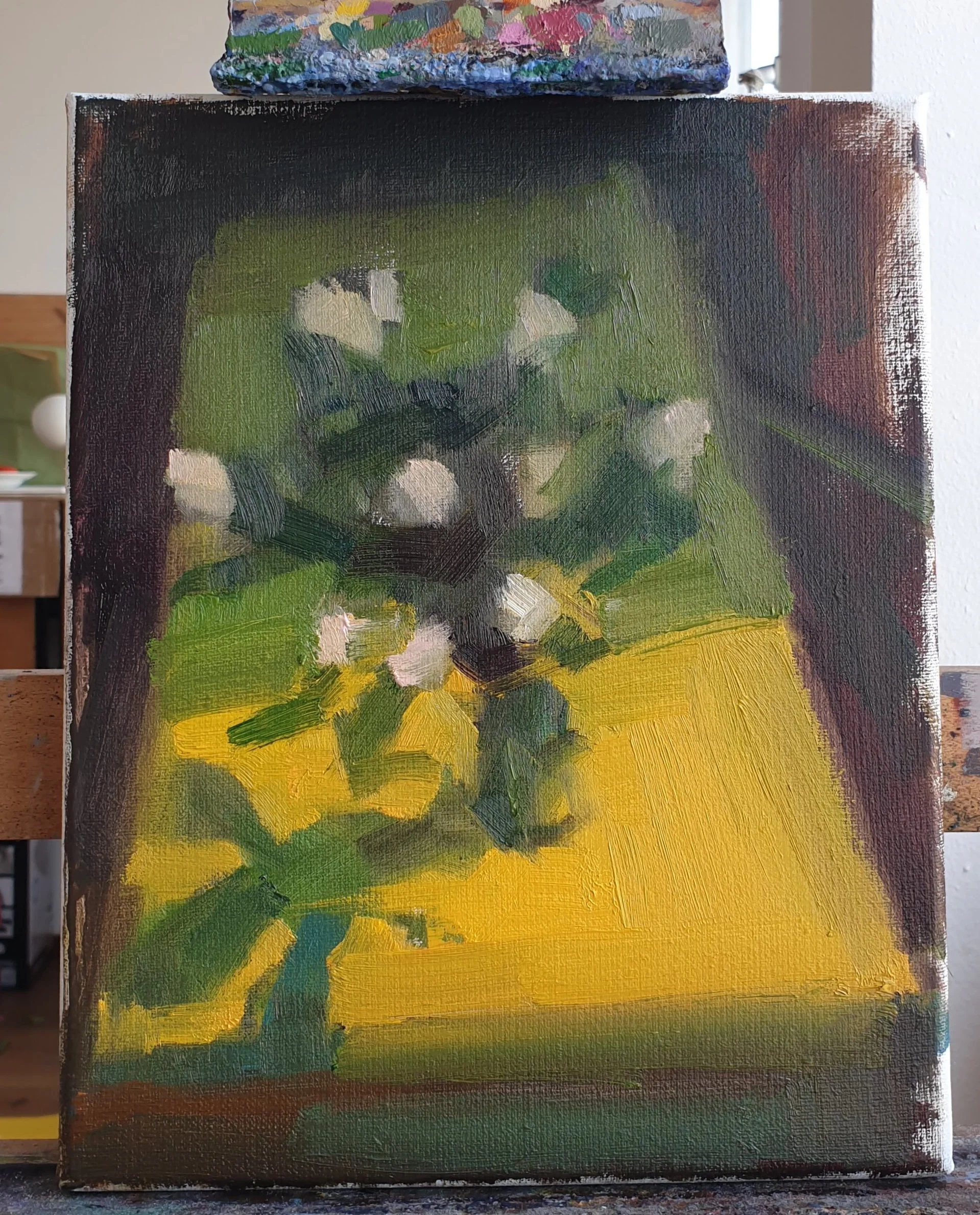
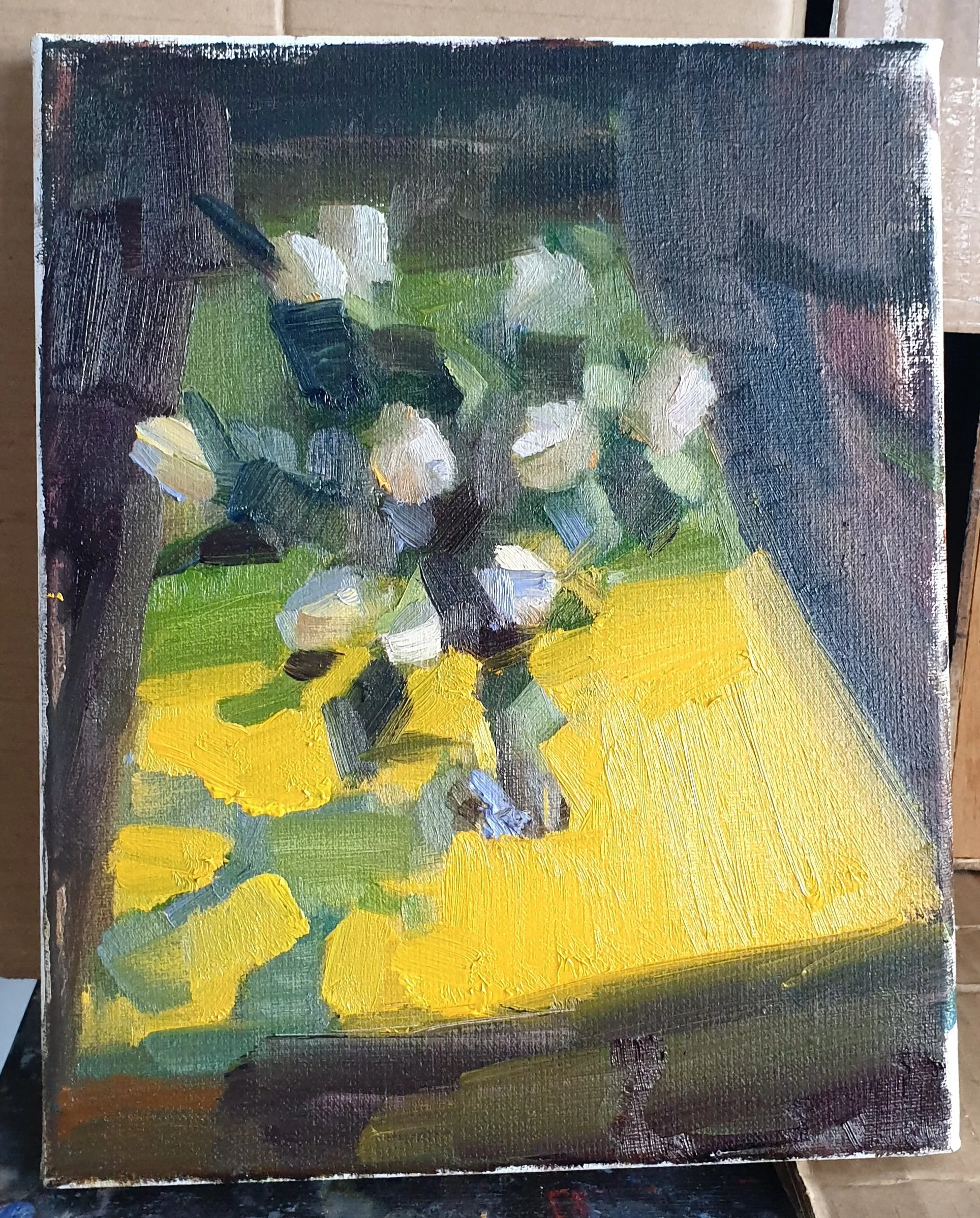
This 4 day course will focus on building a strong design foundation for your paintings, colour mixing theory and ways to loosen up your painting.
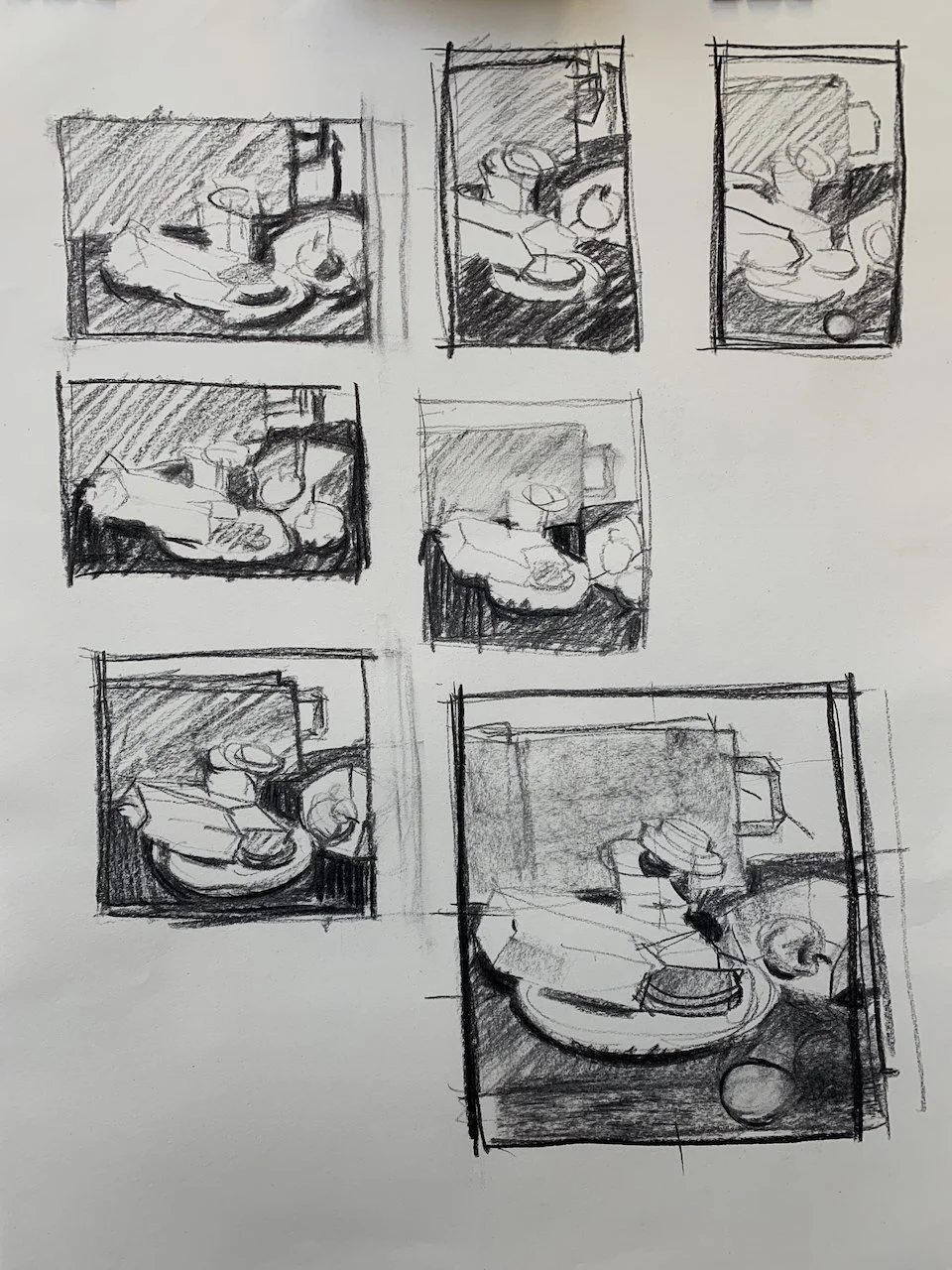
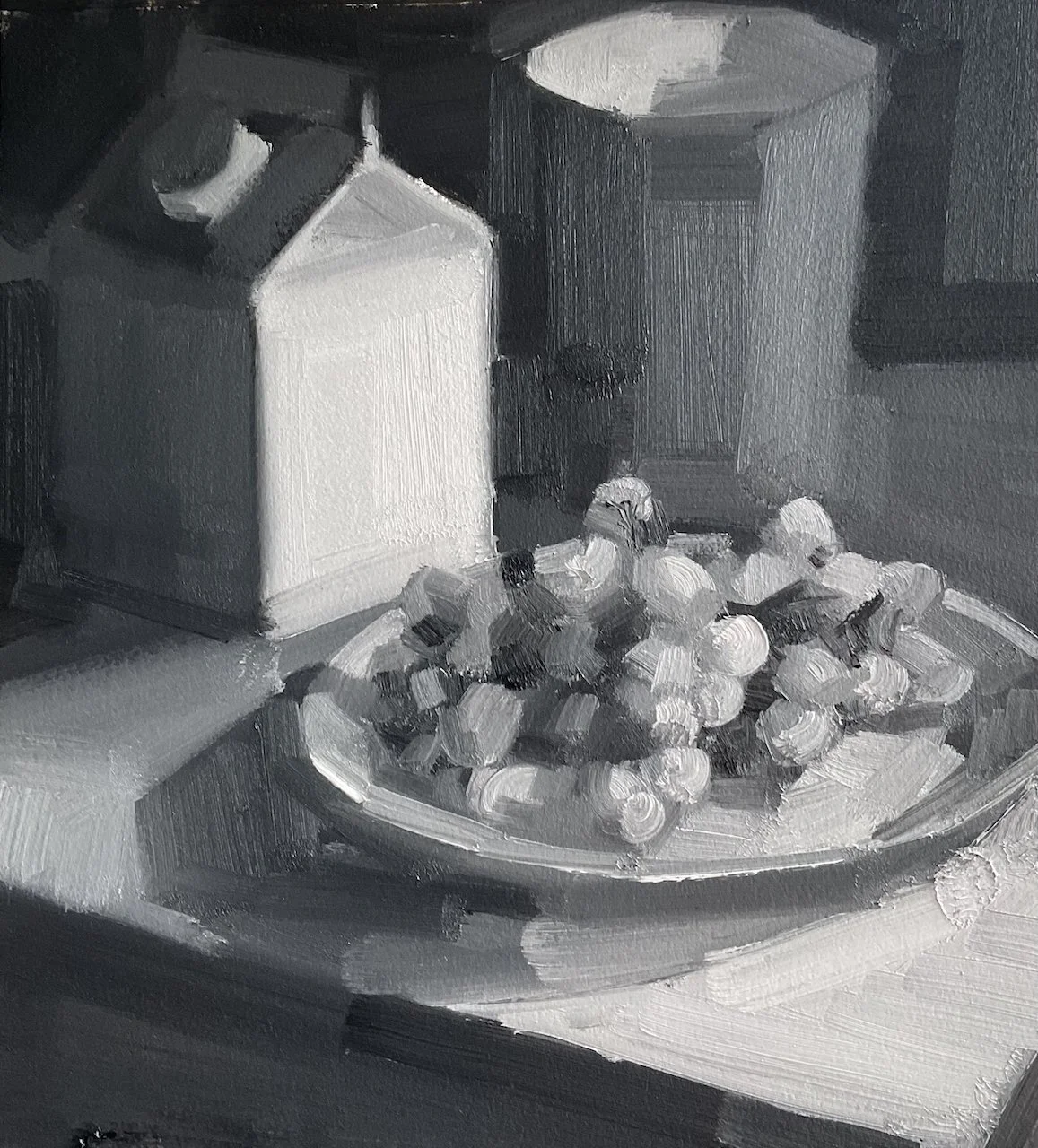
Using still life as our learning subject, the week will incorporate an initial talk about Notan and using value as a compositional device, short painting demonstrations, still life set up demonstrations and colour mixing practice.
For who?
This course is designed for painters who have a basic understanding of tonal value, colour and working with oil paint. It is primarily designed for people who feel their work is “too tight” or who feel they get distracted by detail. While a detailed approach in painting is not a bad thing, many painters get frustrated at getting sucked into too much detail and would like to loosen up. Others often fall into the trap that “loose” painting means “fast” or “intuitive” painting and then get frustrated at the result. If this is you, this workshop could help!
Participants will work on a small to medium scale, making studies and more finished work as the week progresses.
Participants will be required to bring still life objects with them to the course.

-
· Strenghtening your compositional skills, using value studies and the principle of Notan
· Colour mixing theory and exercises
· Simplifying your subject and how you see
· Small painting exercises and approaches to help you to paint more openly and looser.
· Applying these skills to making your own simple still life
-
MATERIAL LIST FOR PAINTING LOOSE ON A STRONG FOUNDATION
Subjects to paint:
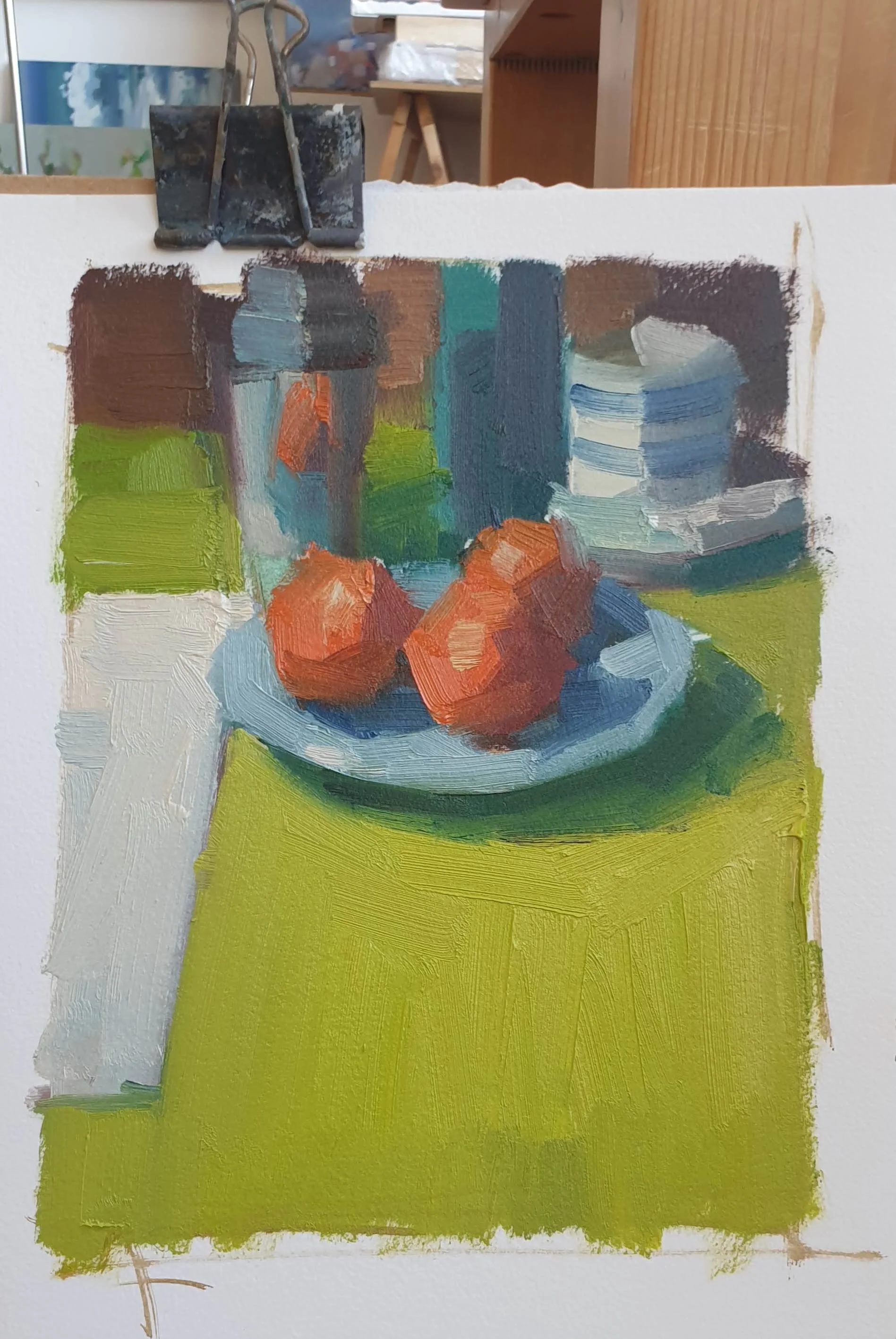
In this workshop we use still life to stimulate a looser approach. We need simple objects for this: think fruit vegetables, cups, plates, books, containers, some flowers. Think also colours for backdrops, the surface the objects are on, so think coloured paper, tea towels, lengths of plain fabric. Each still life will be about three objects, so really pared down
Tonal studies materials
We will start the workshop with small tonal studies. These are best done in paint with black and white or burnt umber and white, on oil painting paper. They can also be done in gouache or acrylic on suitable paper.
Also useful to have charcoal or a selection of soft pencils, a sketchbook or loose sheets of paper for preparatory sketches.
Oil paint
Titanium white
Ivory black (see above)
Burnt umber or Raw umber or both
Burnt Sienna
Yellow ochre
Vermilion or cadmium red light
Alizarin crimson or carmine (I prefer carmine)
Cadmium yellow (or another mid yellow)
Lemon yellow or other cool yellow
Ultramarine blue
Cobalt blue or cerulean blue (hue is fine - the real thing is very expensive)
Optional extra colours – if you have these, bring them along
Purple lake (I use this a lot. I use Winsor and Newton – but it exists in other brands)
Another green: Cadmium green, chrome oxide green, viridian
Sap green
Sansodor
Medium – bring the medium you usually use – liquin or linseed oil for example
Surfaces to paint on:
In this workshop we will make a number of smaller works. Please bring an assortment of smallish stretched canvases or panels
For example
18 x 24 cm
20 x 25 cm,
24 x 30 cm
30 x 30 cm
30 x 40 cm
If you feel you would like to work bigger, do bring larger formats.
You can also bring irregular sizes, or bring oil painting paper, for example Arches paper for oil paint or cardboard
If you work on panel or cardboard, make sure it is well prepared with acrylic gesso (cardboard front and back)
NB – please prepare your surface in advance!
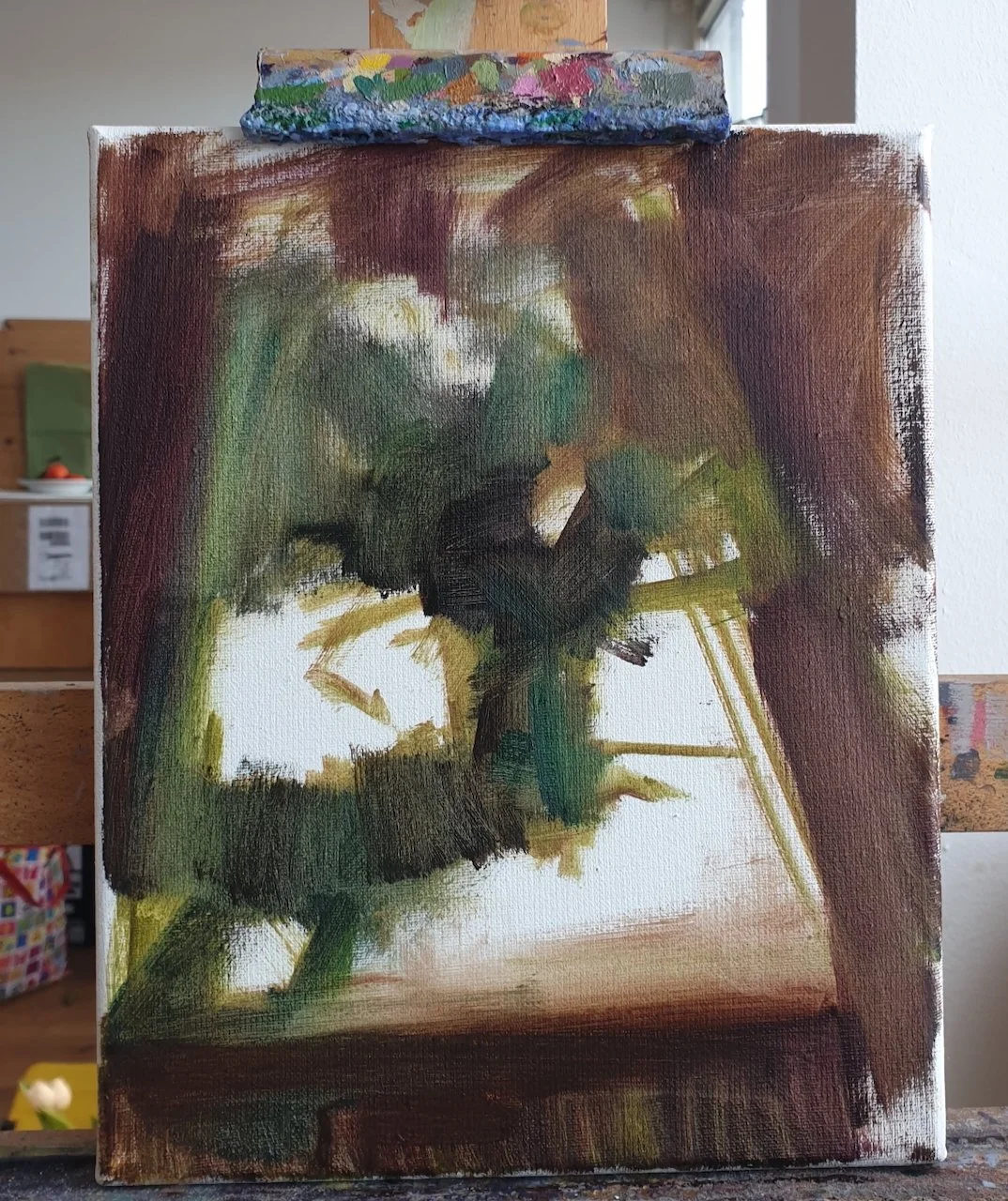
Please make sure you have prepared your surface with a light tone – so you are not starting on a white surface. To do this, use a thin diluted mix of acrylic (or oil paint) paint and water and apply a light wash to the surface. Burnt sienna, and ultramarine blue or sap green mixed together work well for this. Just make sure it is not too bright!
Palette
Bring whatever palette you like to work with, but please make sure it is big enough to mix colours on! A wooden one is better than disposable palettes, because disposable palettes are white which makes it difficult to get tonal values right.
Palette knife
Bring a few palette knives for mixing and for applying paint.
Brushes
Hogs hair brushes are generally good, but best to have a mix of types and also flats and filberts
Bring a pair of wide brushes 2 or 3 cm wide (at least two).
Other brushes for example No. 22, 16, 12 and 8 and a few smaller ones for details.
Other:
• Enough rags / cloths or kitchen roll for wiping brushes
• Painting clothes to protect your own clothes
• Gloves if you wear them when using oil paint
• Sturdy container for your medium and mineral spirits or water or palette caps.
• Brush case for carrying dirty brushes
• Optionally, a plastic, sealable container to take away oil paint residues. Ice cream tubs work well for this
• A sketchbook and pencils and or charcoal for small initial sketches.
• Masking tape
“Every portrait that is painted with feeling is a portrait of the artist, not of the sitter.”
